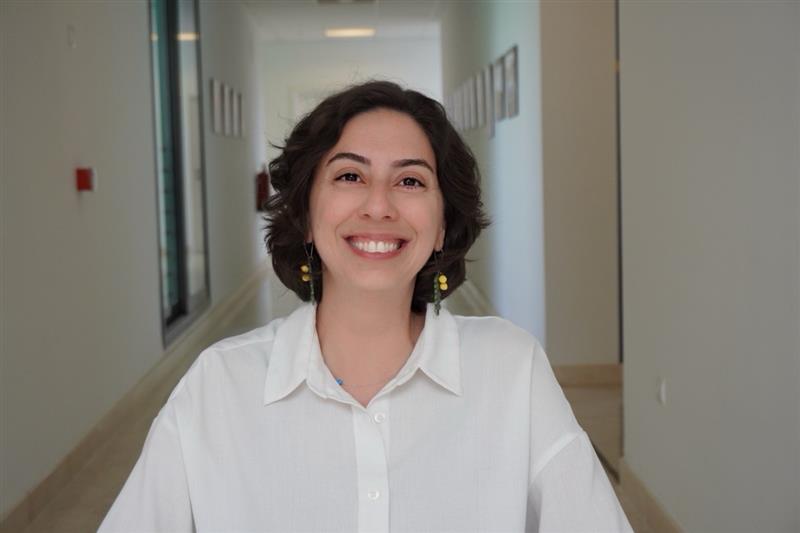
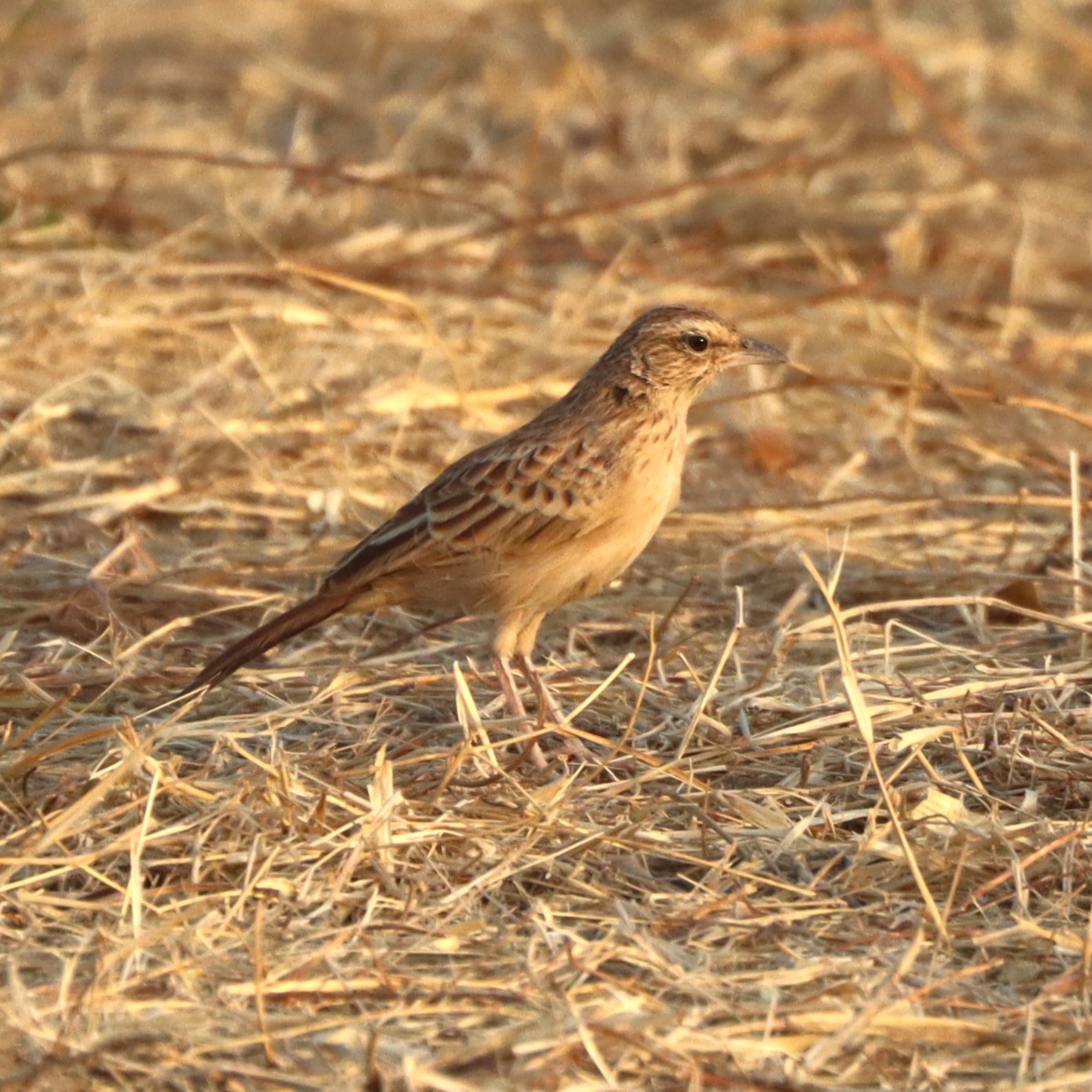
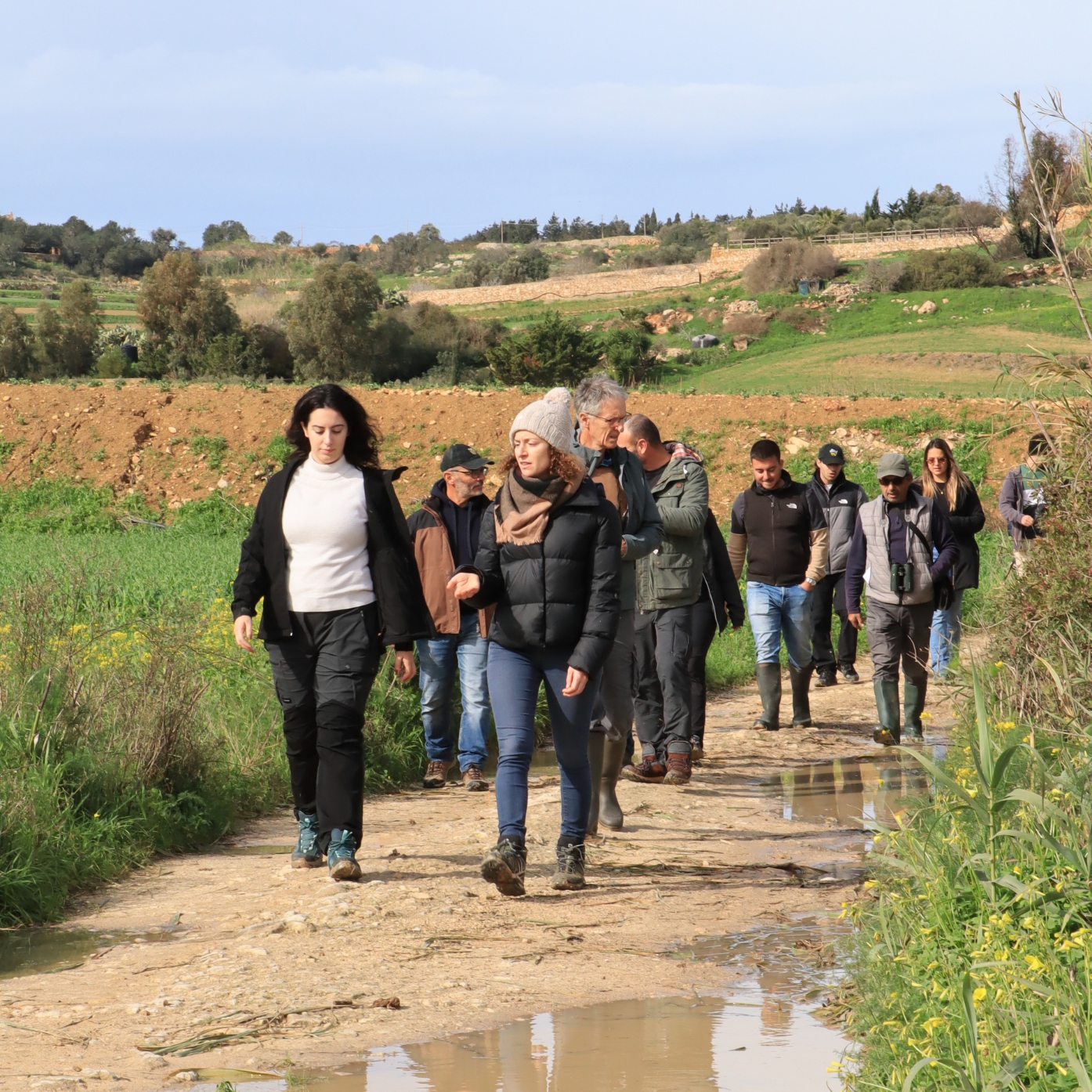
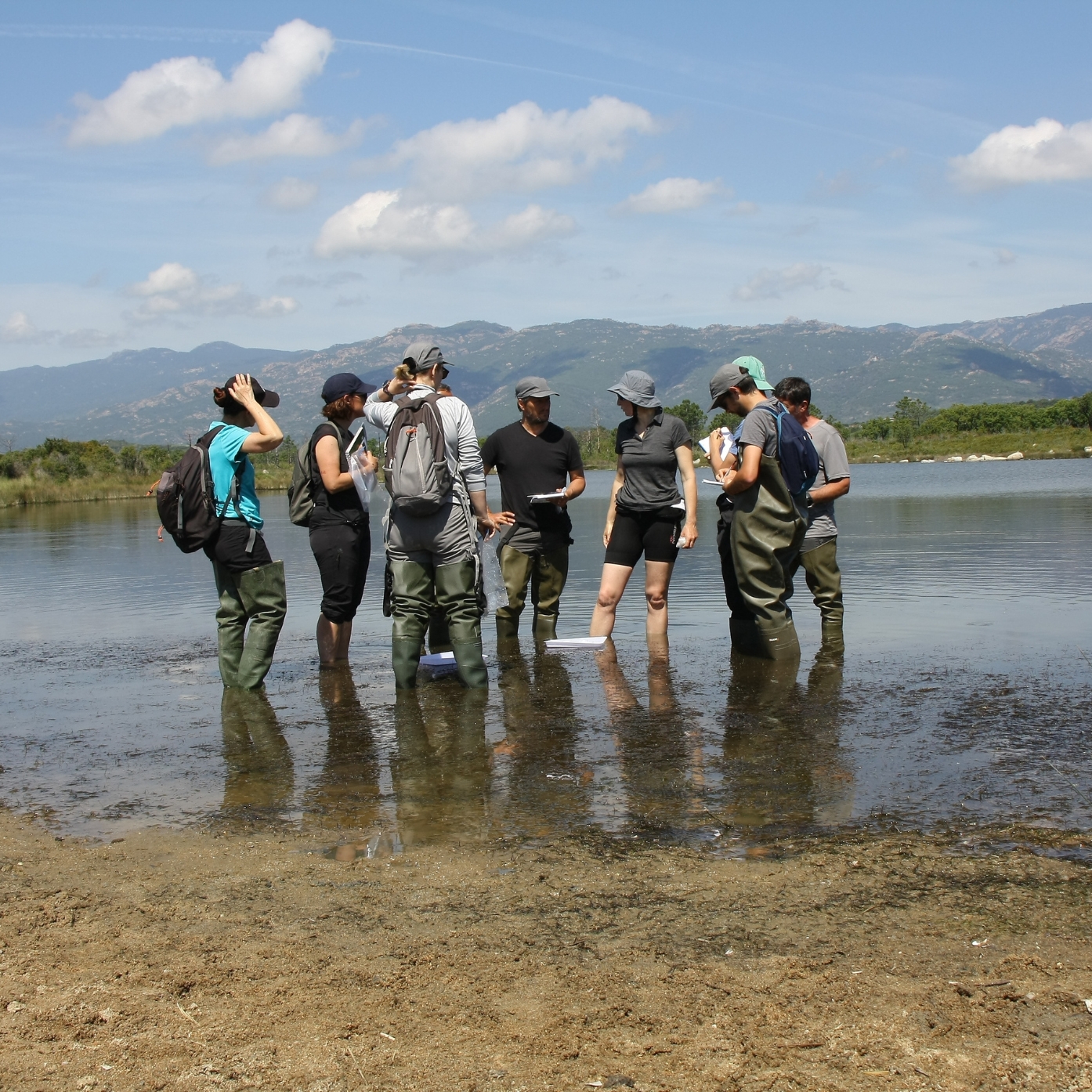
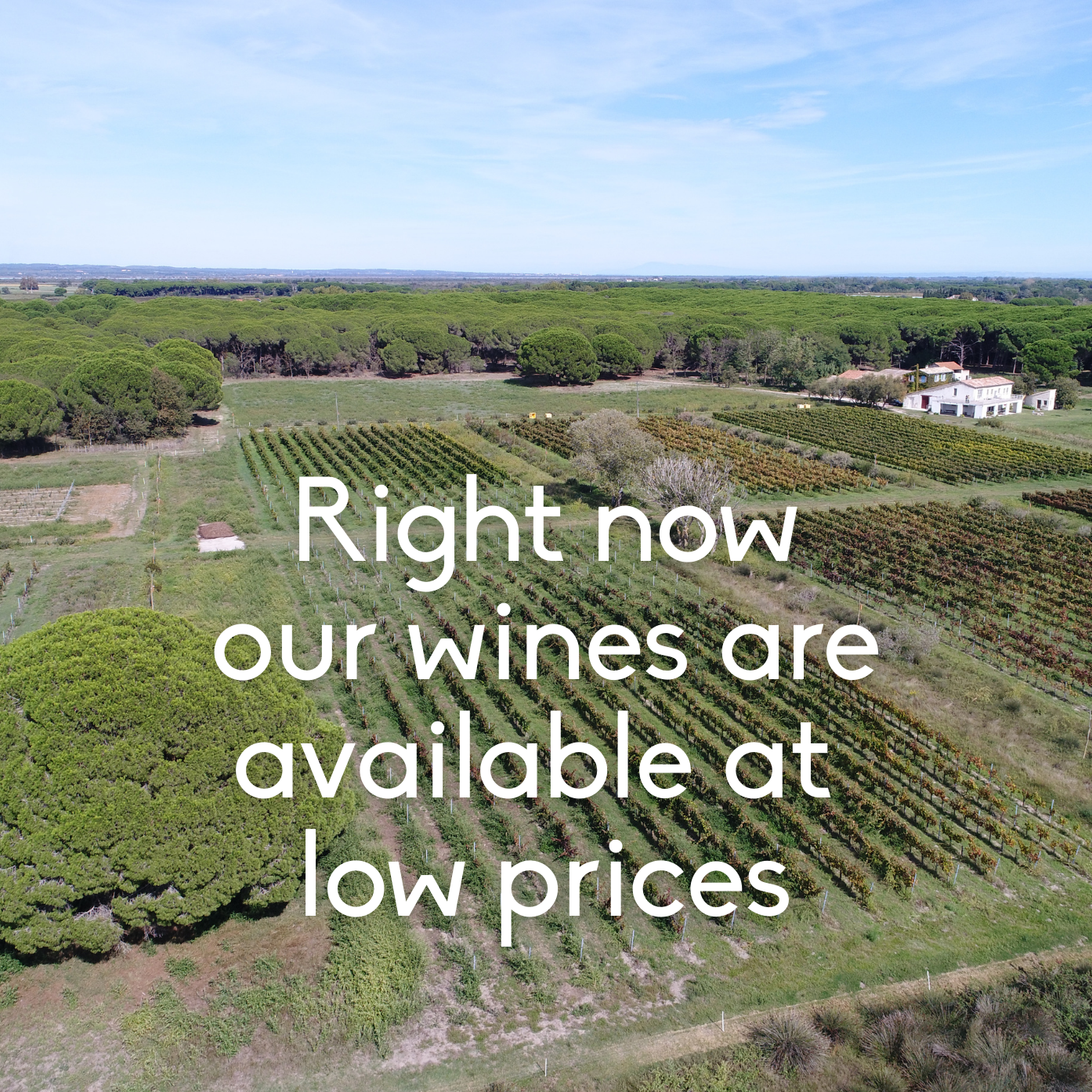
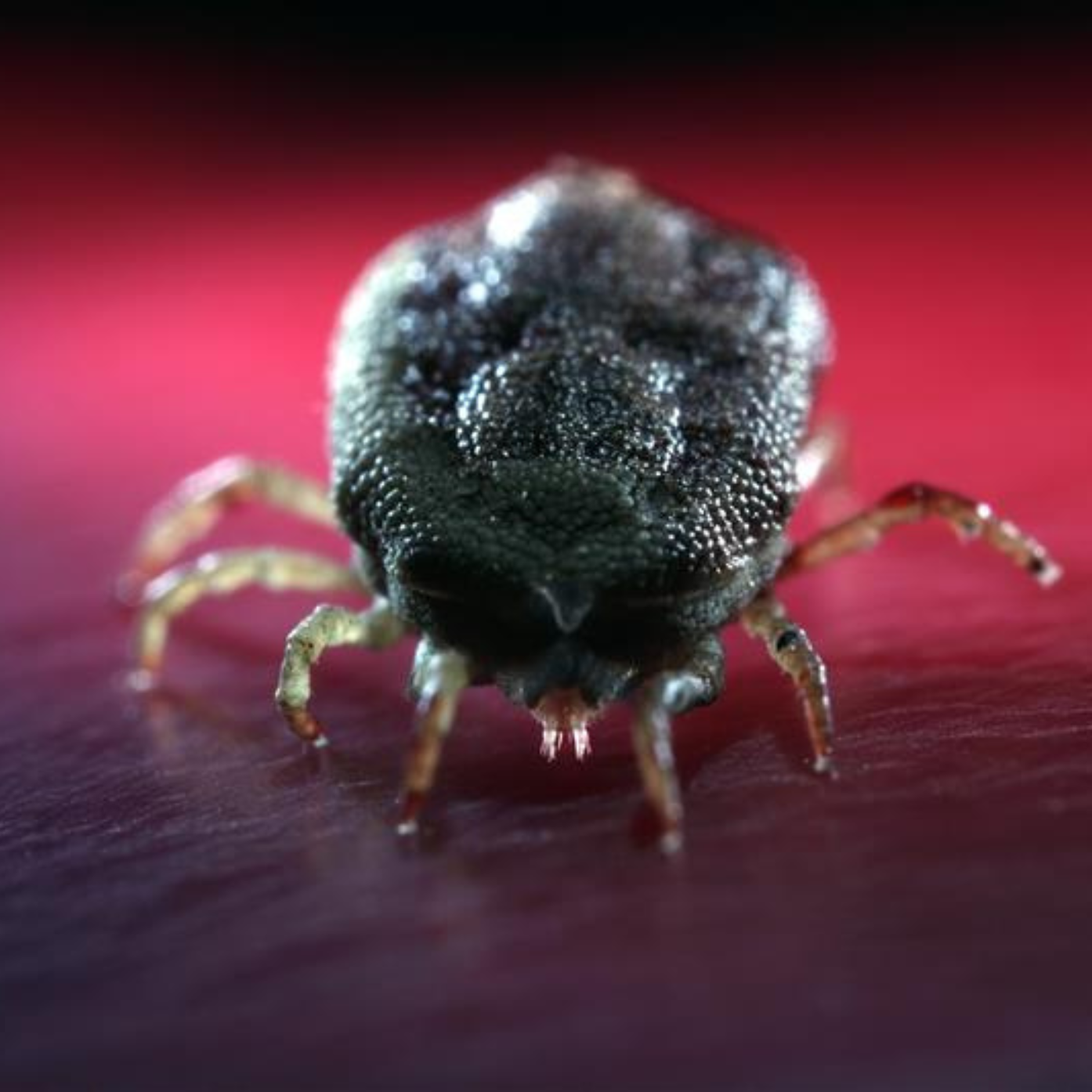
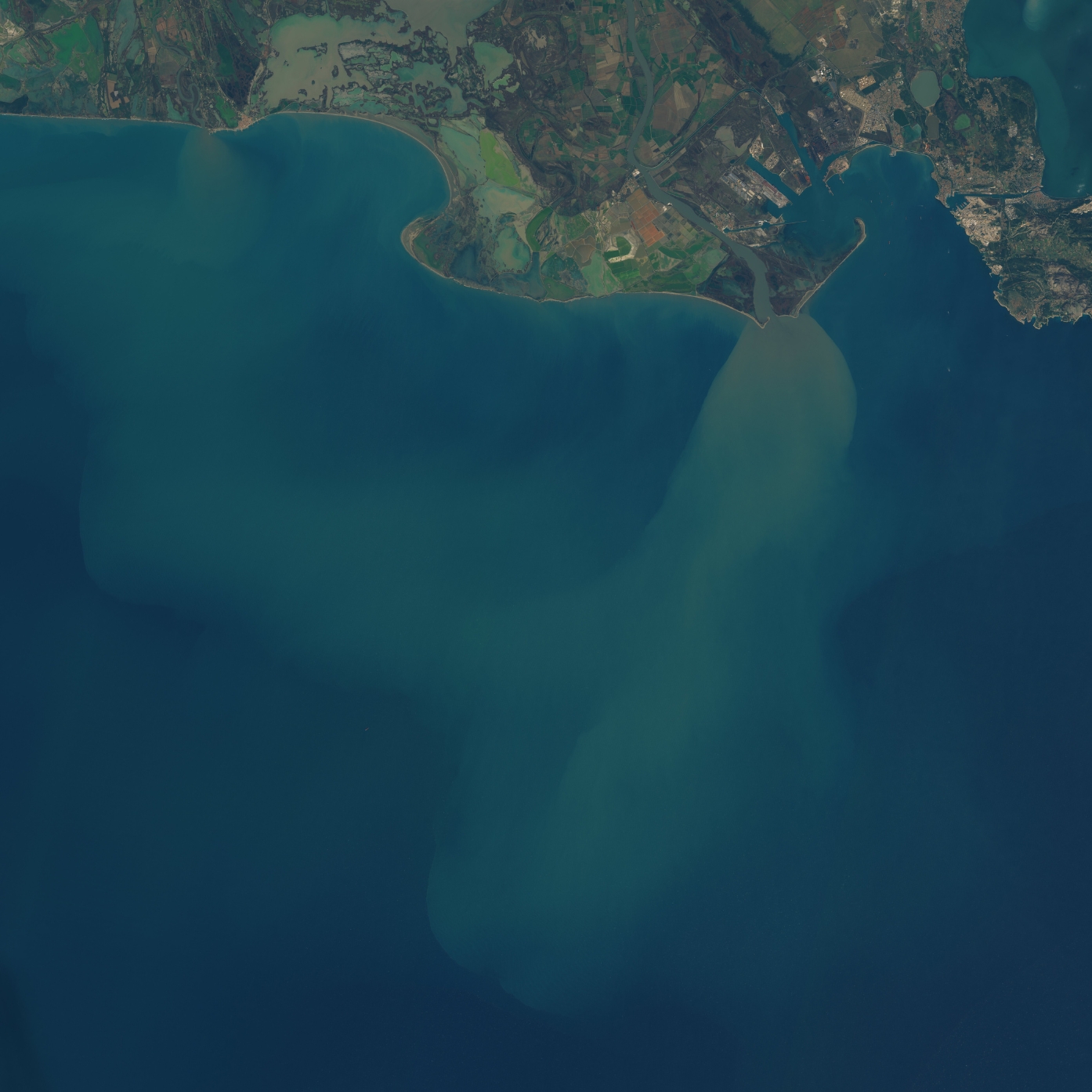
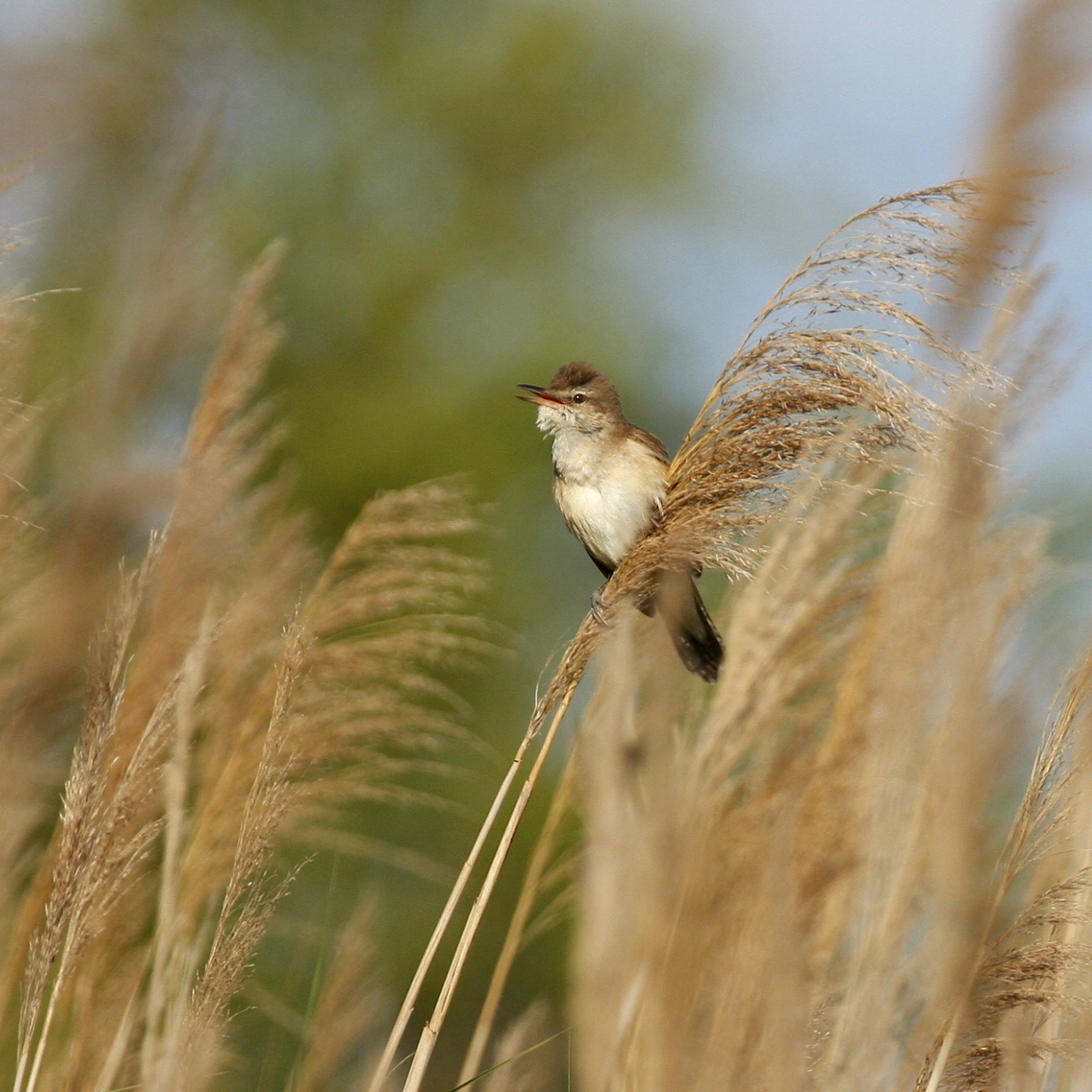
The Tour du Valat Newsletter n°52| March 2026 | | | | | When nature becomes the solution: meeting societal challenges in the Mediterranean | | The Mediterranean Basin is a global biodiversity hotspot that is currently afflicted by the combined pressures stemming from human activities and climate change. Nature-based Solutions (NbS) are emerging as a major tool that can protect populations and territories. | | | | | Based on resilient ecosystems that can be true natural allies, they reconcile conservation, human well-being, and socio-economic development. This is the key objective of the RESCOM project, which is being coordinated by the Tour du Valat for the Mediterranean Biodiversity Consortium (MBC). It aims to deploy these solutions, which despite their many benefits are still underutilized in the Mediterranean region. | | THREE QUESTIONS FOR ... Yaprak Arda, Marine Programme Officer at IUCN Centre Mediterranean Cooperation | | She answers our questions on the contribution of Nature-based Solutions (NbS) to biodiversity conservation in the Mediterranean, existing examples of implementation, barriers to large-scale deployment, and the role of the Mediterranean Biodiversity Consortium and the RESCOM project in accelerating their adoption. | | | | | Historical rediscovery in Chad: a bird species documented for the first time in nearly a century | | As part of the RESSOURCE+ project, coordinated by the FAO and co-financed by the European Union and the FFEM, a Franco-Chadian team from the Chad Directorate of Wildlife and Protected Areas (DFAP), the Tour du Valat and the OFB had the opportunity to make an exceptional observation of a bird that had not been documented for almost a century: the Rufous Lark Calendulauda rufa. | | | | | Malta: Preparing for the Future EU Nature Restoration Law | | Confronted by the climate emergency and accelerating biodiversity loss, Europe has embarked on a historic initiative with a new Nature Restoration Regulation Law. By September 2026, each Member State will be required to submit a National Nature Restoration Plan. Last January, Patrick Grillas, associate researcher at the Tour du Valat Institute, travelled to Malta to support local stakeholders in preparing for this major challenge. For this small archipelago with one of the highest population densities in Europe, the stakes are strategic: how can wetlands be restored where water resources are scarce and human pressure is constant? | | | | | Life MARHA report: 8 years of action for Mediterranean lagoons | | After eight years of work to improve the conservation of marine habitats – including coastal lagoons – European Life Marha project (2018-2025), led by the French Office for Biodiversity with 13 scientific and management partners, has come to an end. The main results were presented at the closing conference on the 1st of April 2025 in Marseille. | | | | | The peatlands of the Rhône delta mapped for the first time | | The Tour du Valat has published the first map of the peatlands in the Rhône delta. Covering surface area, maximum depth, amount of carbon stored and state of degradation, this leaflet, available online and from project partners, is a first step towards improving our knowledge on these little-known yet essential ecosystems. | | | | | A look back at two years of data collection on bats and wetlands | | Since late 2024, the Rest-Chir'Eau project has been studying bat activity in the Canal du Japon area, formerly known as the Bras de Fer du Rhône, in Camargue. As his second year is ending, it is time to take a look back at the two field campaigns that have been carried out. | | | | | Natur’Adapt Sud: a strengthened regional initiative to face climate challenges | | After 18 months of close collaboration between natural area managers in the Provence-Alpes-Côte d’Azur region and the coordinating organizations, the Natur’Adapt Sud project was completed in February 2026. This ambitious initiative leaves behind concrete tools and a strengthened regional momentum to face climate challenges. | | | | | At the heart of the Tour du Valat agroecological farm, between a pine forest planted after the Second World War and a cordon of dunes dating back thousands of years, are a number of small, inconspicuous marshes. At first sight, they seem peaceful. However, they reveal a fragile story. | | | To prepare for the arrival of our next vintages, we are currently offering some very attractive prices. Now is the perfect time to rediscover the farm's wines or share a piece of Camargue with your friends and family, all while supporting the protection of wetlands. Always with moderation, of course! | | | | | Tracking parasites to better understand Avian health We are familiar with spectacular epidemics, such as those linked to highly pathogenic avian influenza, which struck our region during the winter of 2026. When birds die in large numbers, the impact is visible and immediately measurable. But in nature, most infections go unnoticed. Mais dans la nature, la plupart des infections passent inaperçues. Yet these infections can affect the growth, physical condition or reproductive success of animals — with potential long-term consequences for populations. | | | | | Sediment and organic carbon fluxes: new modelling sheds light on the role of the Rhône The Rhône is one of the main sources of sediment and organic carbon for the Mediterranean Sea. Every year, it carries nearly 5.5 million tons of sediment – the equivalent of 2,000 Olympic swimming pools – and 173,000 tons of organic carbon. Without them, beaches and coastal infrastructure would be even more exposed to storms and rising sea levels. But this balance is fragile: in a century, dams have reduced these flows by 60%, while climate change is altering flood patterns, concentrating 70% of inflows in just 10% of the year. | | | | | Birds change altitude to survive epic journeys across deserts and seas Every year, billions of birds undertake extraordinary migrations, crossing vast deserts and open seas with no place to stop, feed, or rest. A new international study published in iScience by a consortium of researchers from Tour du Valat, CEFE/CNRS, Muséum national d’Histoire naturelle and Swiss Ornithological Institute reveals that small migratory birds adjust how high they fly over these ecological barriers, and that their strategies depend on wing morphology and plumage color. | | | | | Agricultural practices play a decisive role in the preservation or degradation of natural areas New research shows that modern agriculture is impacting biodiversity inside protected areas in Europe, while some traditional agricultural practices may help preserve it. Researchers conducted a large-scale survey among Natura 2000 protected area managers across all Europe focusing on management practices, funding and threats to biodiversity facing the Natura 2000 network. | | | | | | | | | | | | | | | | | Research and management join forces for wetlands
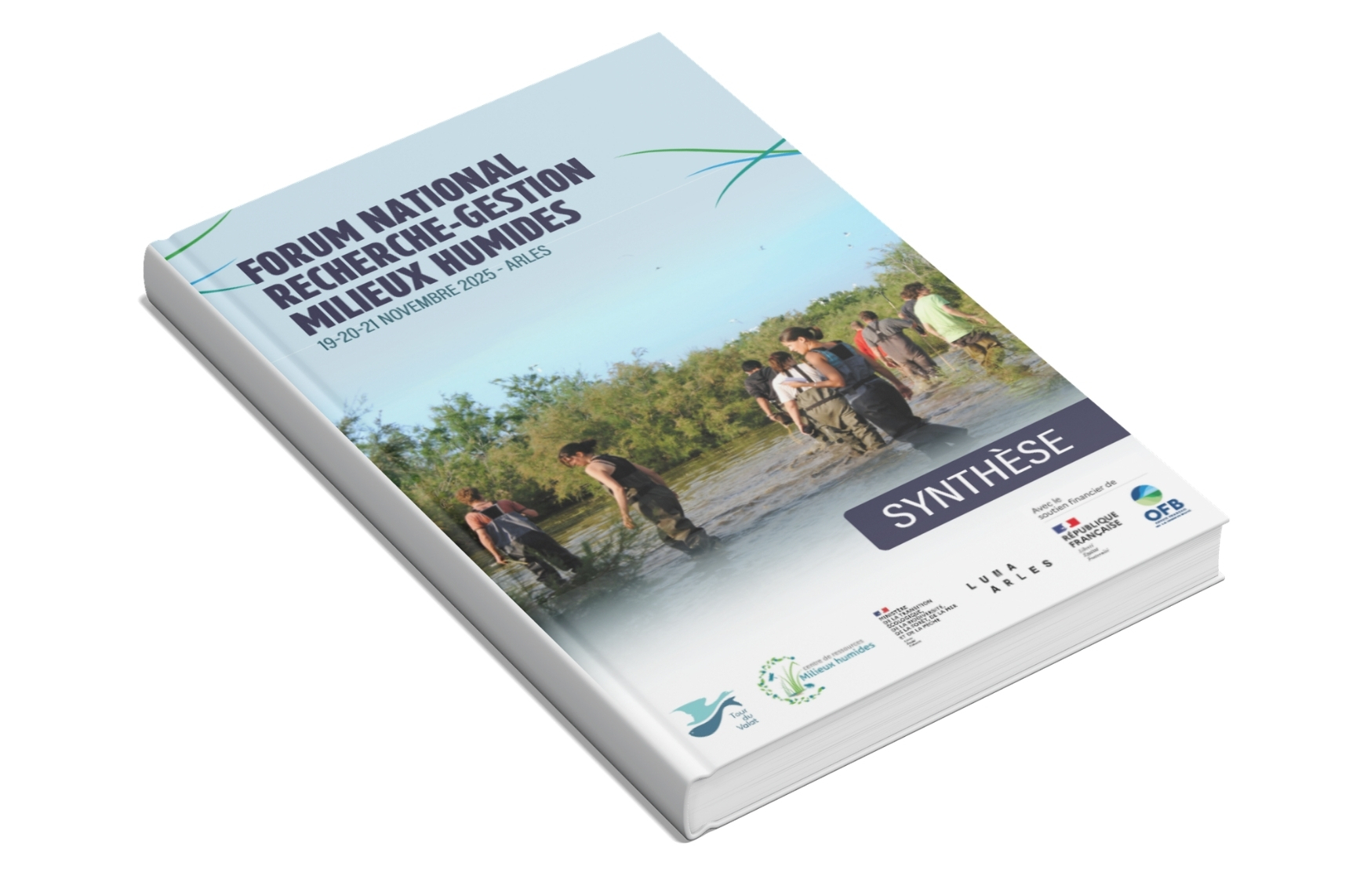
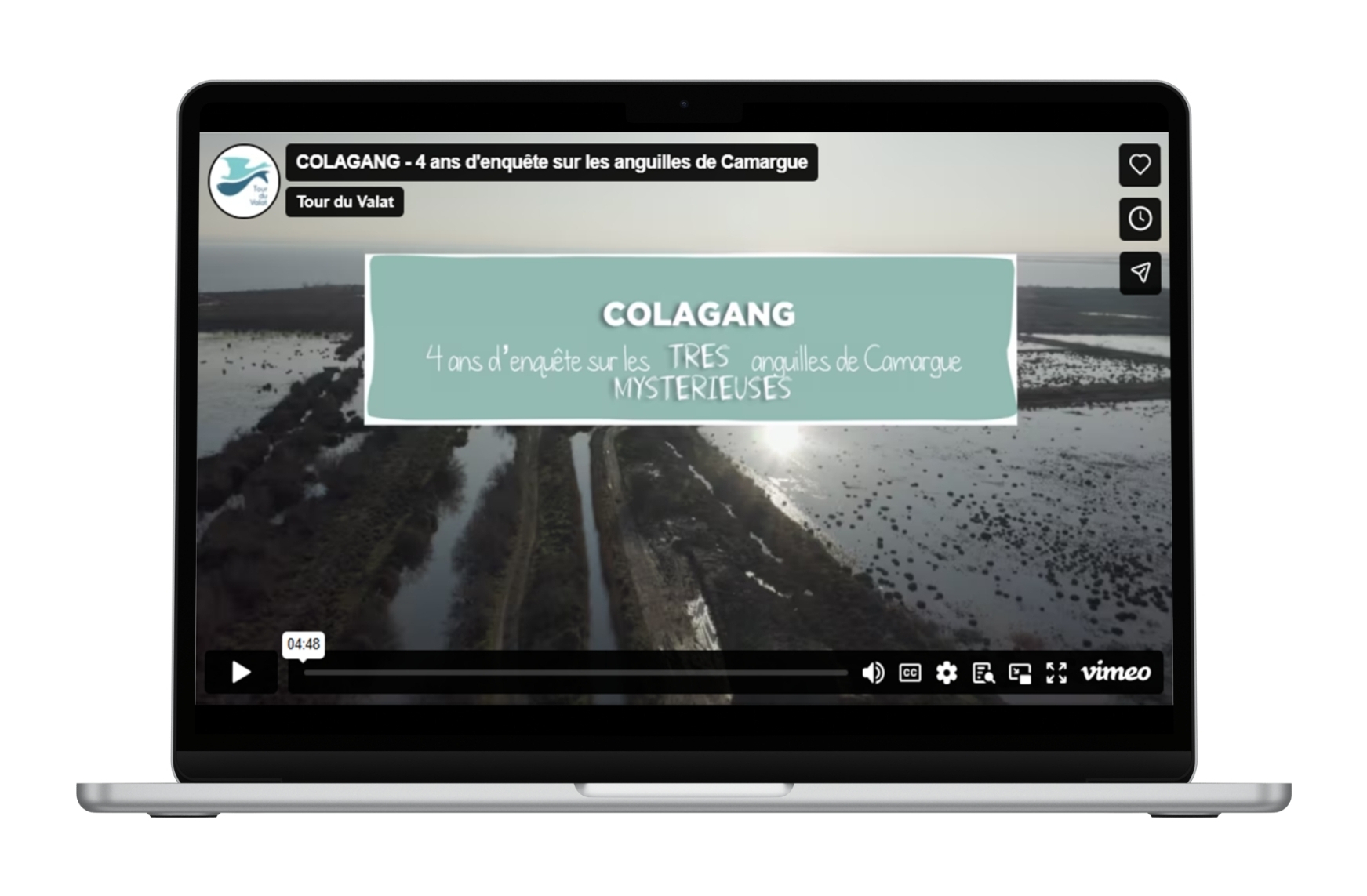
In November 2025, 150 researchers, managers and public officials met in Arles for the National Research-Management Forum on Wetlands. Over three days, field visits and group workshops allowed scientific knowledge and management experience to be shared in order to identify action plans for preserving and restoring these essential ecosystems. A summary of the findings is now available (in French). | | | Tracking European eels to better protect them: the COLAGANG project Running from 2021 to 2025, the COLAGANG project has improved knowledge of the demography, phenology and migratory movements of two sub-populations of Camargue eels located upstream of the Vaccarès lagoon. Discover the project in this video (5 mins - in French). | | | | | | | | | | | Tour du Valat Fondation Research Institute for Mediterranean Wetlands Conservation Visit ou website www.tourduvalat.org | | | | | | | | | | | | | | Editorial committee : J. Jalbert, R. Billé, B. Guénebeaud, C. Hermeloup et G. Ollivier. They contributed : Y. Arda, J. Birard, O. Boutron, J. Champagnon, N. Chokier, M. Douchin, L. Ernoul, C. Fabre, E. Gaget, A. Gazaix, P. Grillas, K. Lombardini, N. Nojaroff, G. Ollivier, J. Régis, P. Rocarpin, M. Vittecoq. Photos and illustrations credits : S. Hoxha (banner), Parc national de Divjake-Karavasta, Y. Yarda, J. Birard - I. Dapsia - P. Defos du Rau (Rusty Bush Lark), SER-Europe, M. Garrido / OEC, A. Gazaix, A. Marquis-Soria (x2), J. Birard, L. Willm, P. Landermann, J. Seguinot – Wikimedia Commons, M. Thibault, J. Jalbert, T. Blanchon - photo & Tour du Valat (banner Adopt a flamingo). All rights reserved © Tour du Valat Fondation, 2026 | | | |